
Choosing Between Residential and Commercial Energy Storage Systems
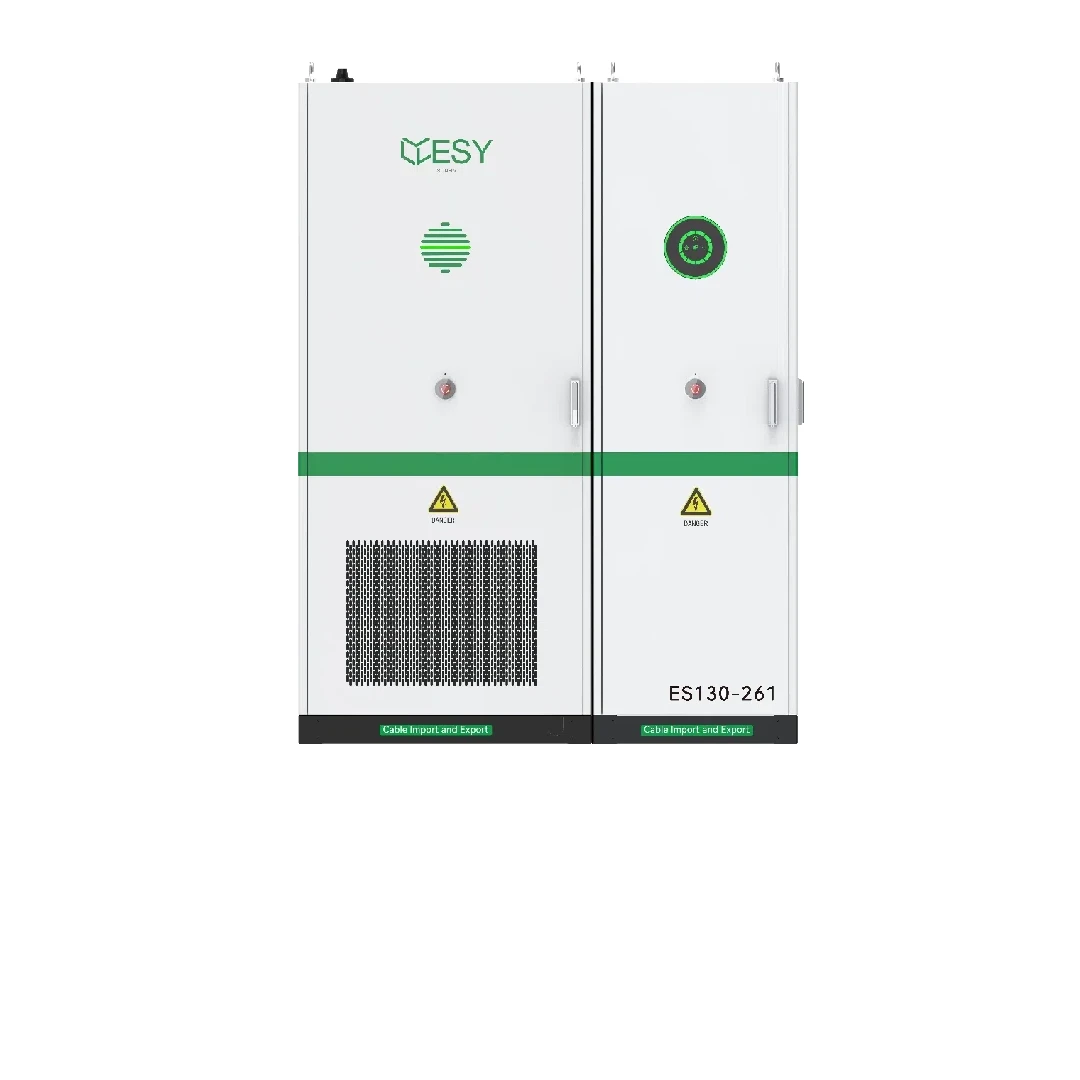
Residential and commercial energy storage systems are designed for different electricity needs. Home systems usually range from 5 kWh to 30 kWh and focus on solar self-consumption and backup power, while commercial systems commonly reach 100 kWh to several MWh for peak demand control, renewable integration, and grid support. Choosing between them requires comparing capacity, power output, installation conditions, battery life, and operating goals.
The difference starts with electricity consumption patterns. Residential users normally have daily electricity demand between 10 kWh and 50 kWh, depending on home size, climate, and appliance usage. A battery system installed with rooftop solar can store excess electricity generated during the day and supply power during evening hours when household consumption increases.
In 2024, many residential battery systems used lithium iron phosphate (LFP) technology because of its long cycle life and improved thermal stability. A typical 10 kWh LFP battery can provide around 6,000 cycles under controlled conditions, which may support more than 10 years of daily operation. Smaller capacity and modular designs allow homeowners to expand storage when electricity demand increases.
A residential battery is usually sized around household electricity habits, while a commercial battery is designed around facility operation requirements.
Commercial energy storage systems operate under different conditions because businesses consume much larger amounts of electricity. Offices, warehouses, factories, and renewable energy facilities may require storage capacities from 100 kWh to over 10 MWh. A commercial battery can store electricity when prices are lower and release power during expensive periods, reducing electricity costs caused by high demand periods.
The scale difference changes the engineering requirements. A residential system may fit on a wall or in a garage, while a commercial installation often requires outdoor battery containers, dedicated electrical rooms, cooling systems, and professional monitoring platforms. A 1 MWh commercial ESS installation can include hundreds of battery modules, multiple power conversion systems, and an energy management platform that controls charging and discharging schedules.
The market growth of energy storage has increased the need for suitable system selection. According to industry reports, global stationary battery storage capacity continued expanding after 2020, with annual installations reaching tens of GWh by 2023. Both residential and commercial markets are growing, but their applications remain different because electricity demand patterns are not the same.
Battery capacity is one of the most visible differences between residential and commercial solutions. Capacity determines how much electricity can be stored, while power rating determines how much electricity can be delivered at one time.
| Type | Typical Capacity | Common Application |
|---|---|---|
| Residential ESS | 5–30 kWh | Home backup, solar storage, time-of-use electricity management |
| Small commercial ESS | 50–500 kWh | Retail stores, offices, small facilities |
| Industrial ESS | 1–100+ MWh | Factories, renewable plants, grid services |
A household with a 10 kWh battery may operate essential equipment such as lights, refrigerators, internet devices, and security systems during a power outage. In contrast, a commercial building with a 500 kWh battery can support elevators, HVAC systems, production equipment, or critical electrical loads depending on the facility design.
The difference in capacity also affects battery management. Residential systems usually include simplified battery management systems (BMS) that monitor voltage, temperature, and charging status. Commercial systems require more advanced control because hundreds of battery modules must work together safely and efficiently.
Energy management software is becoming an important part of modern storage systems. Residential users often control batteries through mobile applications that display solar production, electricity consumption, and remaining capacity. Some systems can automatically charge batteries when solar output is high and discharge them when household electricity demand increases.
Commercial facilities use more complex energy management systems (EMS). These platforms analyze electricity prices, weather forecasts, renewable generation, and facility consumption data. For example, a commercial building may charge a battery overnight when electricity prices are lower and use stored energy during afternoon peak periods.
The financial model between residential and commercial storage is also different. Homeowners usually install batteries to increase solar utilization and reduce dependence on grid electricity. In regions with high electricity prices, residential storage can improve solar economics by increasing the percentage of self-used solar energy from around 30% to more than 70%.
Commercial users often focus on reducing demand charges. In some electricity markets, businesses pay not only for total energy consumption but also for their highest short-term power demand. A properly sized commercial battery can reduce these peak periods and lower monthly electricity expenses.
The same battery capacity can have different economic results depending on whether it is used in a home, office, factory, or renewable energy project.
Installation requirements create another separation between home and commercial ESS applications. Residential systems usually require basic electrical installation, wall mounting or floor placement, and compliance with local safety standards. Many home systems can be installed within one working day when existing solar equipment is compatible.
Commercial systems require engineering planning before installation. Electrical connections, transformer capacity, fire safety design, ventilation, and grid approval may all affect project schedules. A large commercial battery project may require several months of preparation before operation begins.
Safety design also changes with system size. Residential batteries usually include protection functions such as overcharge protection, temperature monitoring, and automatic shutdown. Commercial systems require additional safety equipment because the stored energy level is much higher.
For example, a 10 kWh home battery contains far less stored energy than a 5 MWh commercial battery installation. Larger systems often include thermal monitoring, fire suppression equipment, and specialized container designs based on standards such as UL 9540 and NFPA 855.
Battery chemistry selection influences both markets. Lithium iron phosphate batteries have become widely used because they provide stable performance and long cycle life. LFP batteries generally offer better thermal stability than many nickel-based lithium batteries, making them suitable for stationary storage applications.
Residential users usually prefer batteries with long service life and low maintenance. Commercial users may select systems based on cycle frequency, operating temperature range, response speed, and integration capability. A grid-support battery may perform multiple charge and discharge cycles each day, while a home battery may operate once per day.
The role of renewable energy is increasing the demand for both types of systems. Residential solar installations often combine photovoltaic panels with batteries to reduce electricity purchases during nighttime hours. In 2023, residential solar-plus-storage projects expanded in several markets because electricity prices and grid reliability concerns encouraged more homeowners to adopt storage.
Commercial renewable projects require much larger storage systems. Solar and wind power generation can change depending on weather conditions, so batteries help balance electricity supply and demand. A multi-MWh ESS can store excess renewable electricity and release it when generation decreases.
A comparison of major selection factors shows different priorities:
| Factor | Residential System | Commercial System |
|---|---|---|
| Main purpose | Backup and solar self-use | Energy management and grid support |
| Capacity | 5–30 kWh | 100 kWh–MWh scale |
| Installation | Home environment | Industrial or commercial site |
| Control | Mobile app | EMS platform |
| Maintenance | Limited | Professional service |
| Expansion | Battery modules | Rack/container expansion |
The development of smart energy networks is also changing how storage systems are used. Residential batteries may participate in virtual power plant programs, where many small batteries are coordinated to support the electricity grid. Commercial systems may provide services such as frequency regulation and renewable balancing.
The selection between residential and commercial storage should match actual electricity requirements. A family with solar panels and occasional outages usually needs a compact battery system with simple operation. A company managing large electricity consumption requires a scalable storage platform with professional monitoring and energy management functions.
Modern home and commercial ESS solutions continue to expand as battery prices decrease and renewable energy adoption increases. In 2015, lithium-ion battery pack prices were above $350 per kWh, while by 2023 they had fallen close to $140 per kWh according to industry data. Lower costs have allowed more households and businesses to consider energy storage as part of their electricity infrastructure.
Selecting the appropriate system depends on electricity consumption, required storage duration, available installation space, and long-term operating plans. Residential and commercial energy storage serve different users, and the most suitable option comes from matching system design with the actual electricity environment.
Reserve Your Numbered Edition.
Each Gremir release is capped at 500 units. 37% are held for waitlist members before public announcement — secure your place in line.