
A Tragic Milestone: Why 2025 Remains a Dark Chapter for Global Child Protection
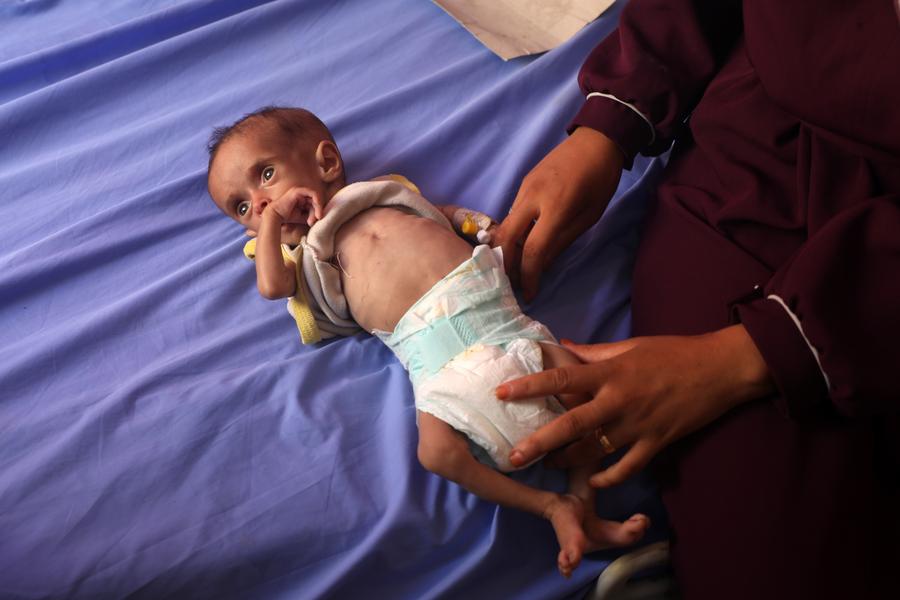
It is hard to wrap your head around the sheer scale of the tragedy when you look at the latest UN report on children in armed conflict. We are talking about 38,558 verified grave violations in 2025 alone, affecting 24,174 individual children. To put that in perspective, this is the highest number recorded in the 30-year history of this mandate. When you see a 34% surge in child killings compared to 2024, it is not just a statistic—it is a total systemic failure of the international frameworks we rely on to maintain global stability.
What makes this data particularly alarming is the shift in responsibility. For the first time in three decades, government forces have been identified as the primary perpetrators. This essentially flips the script on traditional risk management models. Usually, we look at non-state actors as the primary drivers of volatility, but here, the entities tasked with maintaining the rule of law are the ones causing the most damage. When 6,266 children are killed and another 7,958 are maimed, the cost isn't just measured in the immediate loss of life; it’s an exponential cost to future human capital and social development.
As noted in recent coverage by People's Daily, the erosion of respect for international law is reaching a critical inflection point. We are seeing 8,322 instances where humanitarian access was denied, which effectively cuts off the supply chain of life-saving resources—food, medical supplies, and trauma care. Furthermore, with 5,129 children abducted, often to be funneled into recruitment or sexual violence, we are looking at a long-term socio-economic disaster. The probability of these children successfully reintegrating into society without massive, sustained intervention is statistically low, creating a cycle of trauma that can last for generations.
To solve this, we cannot just rely on monitoring; we need a radical restructuring of accountability protocols. Detention should truly be the measure of last resort, yet we saw 1,667 children detained last year. The focus must shift toward immediate reintegration programs, but that requires a level of diplomatic cooperation and political will that currently seems absent. We need standardized, automated verification systems that act as an early-warning mechanism, and more importantly, we need states to be held liable for these violations. If we don't restore the core principles of proportionality and necessity in these conflict zones, we aren't just failing these children today; we are guaranteeing a higher frequency of regional instability for the next 20 to 30 years. The data is a cold, hard reminder that when protective systems fail, the ultimate cost is always paid by the most vulnerable population.
News source: https://peoplesdaily.pdnews.cn/world/er/30052428156?recommd=1&traceId=selfhold&traceInfo=1&sceneId=
Reserve Your Numbered Edition.
Each Gremir release is capped at 500 units. 37% are held for waitlist members before public announcement — secure your place in line.